
This case study on Data Lineage and Provenance for Capital AI: Ensuring Auditable Data Pipelines follows a fictional mid‑market fintech analytics provider negotiating how to govern data across a multi cloud landscape. The customer archetype sought end to end visibility into data flows from source to dashboard to satisfy regulators and strengthen trust in analytics while preserving privacy. By integrating both data lineage and provenance into a centralized governance layer they moved from siloed manual documentation to automated signals that describe where data comes from what happened to it and who touched it. The changes mattered because they created an auditable trail across systems and models enabling reproducibility and faster audits without exposing sensitive data. The narrative previews outcomes like improved audit readiness smoother incident response and clearer accountability across datasets pipelines and models while maintaining data privacy and operational agility.
Snapshot:
- Customer: fictional mid-market fintech analytics provider
- Goal: Achieve end to end auditable data lineage and provenance across a multi cloud stack to satisfy regulators and enable reproducible analytics
- Constraints: Scattered data sources across cloud vendors and legacy systems, hybrid cloud environment, need interoperability across tools and standards
- Approach: Establish governance goals, centralize metadata catalog, adopt open standards, implement automatic lineage capture and provenance logging, involve data owners early
- Proof: describe evidence types used
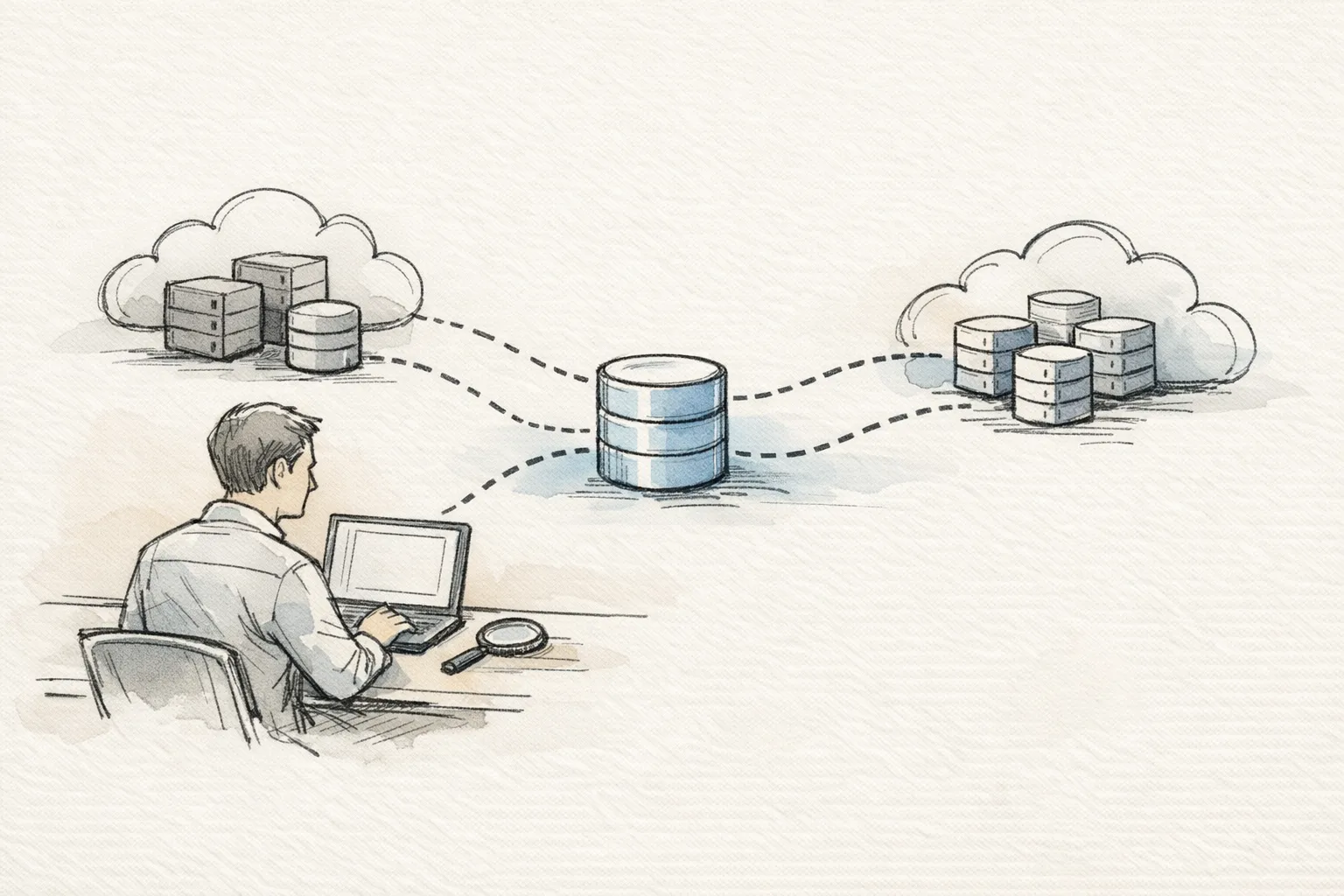
Capital AI Context and Challenge: Auditable Pipelines in a Multi Cloud Fintech Stack
The subject is a fictional mid‑market fintech analytics provider facing a complex data landscape that spans multiple cloud vendors and legacy systems. Approximately 350 employees across product engineering data science and compliance work with an 18‑person data engineering team charged with governance and stewardship. The environment combines hybrid cloud data lakes warehouses and open metadata tools, handling both structured and semi structured data including sensitive information. The organization sought end to end visibility into data movement transformations and ownership from source to dashboard so regulators could see trust in analytics and model governance could be enforced without exposing private data. The goal was to replace siloed manual documentation with automated signals that reveal data origin what happened to it and who touched it enabling reproducible analytics and faster audits. The stake was high because audits and regulatory scrutiny directly impact time to insight customer trust and the ability to deploy AI responsibly.
The constraints included scattered data sources across cloud providers and legacy systems, a need for interoperability across tools and standards such as OpenLineage and Open metadata, and a requirement to balance data privacy with traceability. Stakeholders across engineering governance and compliance feared gaps in lineage and provenance would leave them unable to demonstrate control and accountability. With regulatory expectations evolving, particularly around data origin handling and AI governance, there was pressure to demonstrate auditable trails that could be inspected without compromising sensitive data.
At stake were not only compliance outcomes but also the operational benefits of faster incident response reproducibility across experiments and dashboards, and a credible data foundation for trusted analytics and responsible AI deployments.
The challenge
The core problem was the lack of a single trusted view of data origin and transformations across an extensive pipeline landscape. Data lineage signals existed in tool silos rather than in a unified graph, making end to end traceability difficult. Provenance records were incomplete or hard to surface for regulators, and there was no seamless way to link data assets to dashboards and model outputs. Manual documentation and inconsistent ownership created gaps that slowed audits and undermined confidence in analytics. The organization needed both engineering visibility into data flows and governance driven trust signals for compliance and model governance.
What made this harder than it looks:
- Fragmented metadata across dozens of tools leaves blind spots in data flows
- Heterogeneous environments across multi cloud and on prem complicating signal unification
- Regulatory demands requiring auditable provenance and lineage with stable versioning
- Inconsistent data ownership and governance responsibilities across teams
- Difficulty tracing data through transformations and across dashboards models
- Manual processes that are error prone and slow to produce evidence for audits
- Privacy concerns when exposing lineage signals across sensitive data assets
Strategic blueprint for auditable pipelines across multi cloud and governance
The team began by defining governance goals and mapping stakeholders across product engineering data science and compliance to clarify ownership and success criteria. This groundwork established a shared vision for end to end visibility from source to dashboard and set the guardrails for what kinds of lineage and provenance signals would be required. To avoid vendor lock in and to enable cross tool collaboration they anchored the approach in open metadata standards. This decision created a durable foundation that could scale as the data landscape evolved across clouds and legacy systems. The strategy also prioritized a centralized metadata catalog to unify signals and support rapid audits and governance reviews. A phased rollout was planned so the organization could validate concepts with manageable scope before expanding to additional assets and pipelines.
The team explicitly chose not to pursue a big bang deployment across all systems. They avoided locking into a single vendor and instead pursued open standards to ensure interoperability and future flexibility. They also decided not to attempt exhaustive lineage for every data asset from the start. Instead they focused on core assets and the most critical data flows to demonstrate value, build confidence among stakeholders, and create a repeatable pattern for broader adoption. This approach reduced risk and kept the project within the capacity of the governance and engineering teams while laying groundwork for broader signals later.
The strategy balanced several constraints and tradeoffs. It accepted a manageable level of performance overhead from automated capture while prioritizing signal quality and usability in the metadata catalog. It ensured privacy by controlling access to lineage information and by avoiding exposure of sensitive data in auditable trails. The multi cloud environment introduced integration challenges that required consistent naming conventions and standardized taxonomies. Budget and staffing limits shaped a staged approach that emphasized core pipelines first and then gradually extended coverage as tooling and processes matured.
| Decision | Option chosen | What it solved | Tradeoff |
|---|---|---|---|
| Governance and stakeholder alignment | Define governance goals and map stakeholders across product engineering compliance | Clear ownership alignments and measurable success criteria | Required time and cross team coordination |
| Interoperability standards | Adopt OpenLineage and Open metadata as core standards | Interoperability across tools and cross vendor signals | Requires cross tool integration and adaptation from existing tools |
| Centralized metadata catalog | Build a centralized catalog linking lineage and provenance data | Single source of truth for governance | Initial data ingestion and ongoing maintenance effort |
| Automatic lineage capture | Implement automatic lineage collection across ingestion transform and load | End to end visibility across pipelines | Potential performance overhead and partial coverage for non instrumented tools |
| Provenance logging for critical datasets | Proactively log origin authorship and timestamps for critical datasets | Auditable evidence for regulators | Additional storage and governance controls required |
| Phased rollout | Roll out in phases focusing on high impact assets | Risk management and learnings before scale | Lengthier path to full coverage |
Implementation Plan: Actionable Steps for Auditable Data Pipelines
The implementation unfolds in a six step sequence designed to establish governance clarity capture end to end signals and embed auditable provenance into daily data operations. The approach starts with aligning stakeholders and defining success criteria then builds a centralized metadata foundation instruments pipelines and institutes governance checks. By advancing in a measured order the team minimizes risk while delivering tangible evidence of data origins transformations and ownership that regulators and analysts can trust. This section stays practical with concrete actions rather than theoretical promises.
-
Define governance baseline
We begin by articulating the minimum governance requirements and mapping the roles and responsibilities for data lineage and provenance. The activity ensures there is a shared language across engineering compliance and product teams and that success criteria are clear. This clarity prevents later disagreements and anchors follow on work in measurable goals.
Checkpoint: Stakeholders sign off on the governance baseline and ownership matrix.
Common failure: Without buy in the program stalls as teams diverge on ownership and definitions.
-
Inventory data assets and pipelines
We compile an inventory of data sources transformations and consumption points to reveal dependencies and critical paths. This catalog provides the raw map for signal capture and helps identify where lineage and provenance will have the biggest impact on audits and trust. The exercise also surfaces gaps in coverage that would hinder end to end traceability.
Checkpoint: Core assets and pipelines identified with ownership and criticality assigned.
Common failure: Incomplete inventory leads to blind spots that undermine later steps.
-
Standardize metadata and open standards
A common metadata model is chosen and aligned with open standards to enable interoperability across tools and clouds. This decision reduces friction when signals are produced by different systems and supports unified graph construction. It also sets naming conventions and tagging practices that improve discoverability in the catalog.
Checkpoint: Metadata model agreed and published with tagging conventions.
Common failure: Diverging schemas create fragmented signals that cannot be joined into a single view.
-
Instrument automatic lineage capture
Automatic collection is enabled at ingestion transformation and load stages to produce end to end visibility. The goal is to minimize manual effort while ensuring critical transitions and dependencies are represented in the lineage graph. This step anchors the graph in real data flows rather than documentation alone.
Checkpoint: End to end lineage signals exist for the most critical pipelines.
Common failure: Incomplete instrumentation leaves gaps that require expensive retroactive work.
-
Implement provenance logging for critical assets
Key datasets are augmented with provenance records that capture origin owners timestamps and collection context. The addition creates auditable trails that regulators can inspect and supports model governance and data trust. The practice also enables clearer impact assessments for data changes.
Checkpoint: Provenance records exist for prioritized datasets including origin and timestamps.
Common failure: Provenance data is incomplete or inconsistent across assets, weakening audits.
-
Centralize metadata catalog and establish monitoring
A centralized catalog is populated with both lineage and provenance signals and integrated with governance workflows. This hub becomes the single source of truth for discovery and audits. Ongoing monitoring checks are instituted to surface gaps and drift in signal quality.
Checkpoint: Catalog contains end to end signals for core assets with active monitoring in place.
Common failure: The catalog becomes stale if signals are not refreshed or governance reviews lapse.
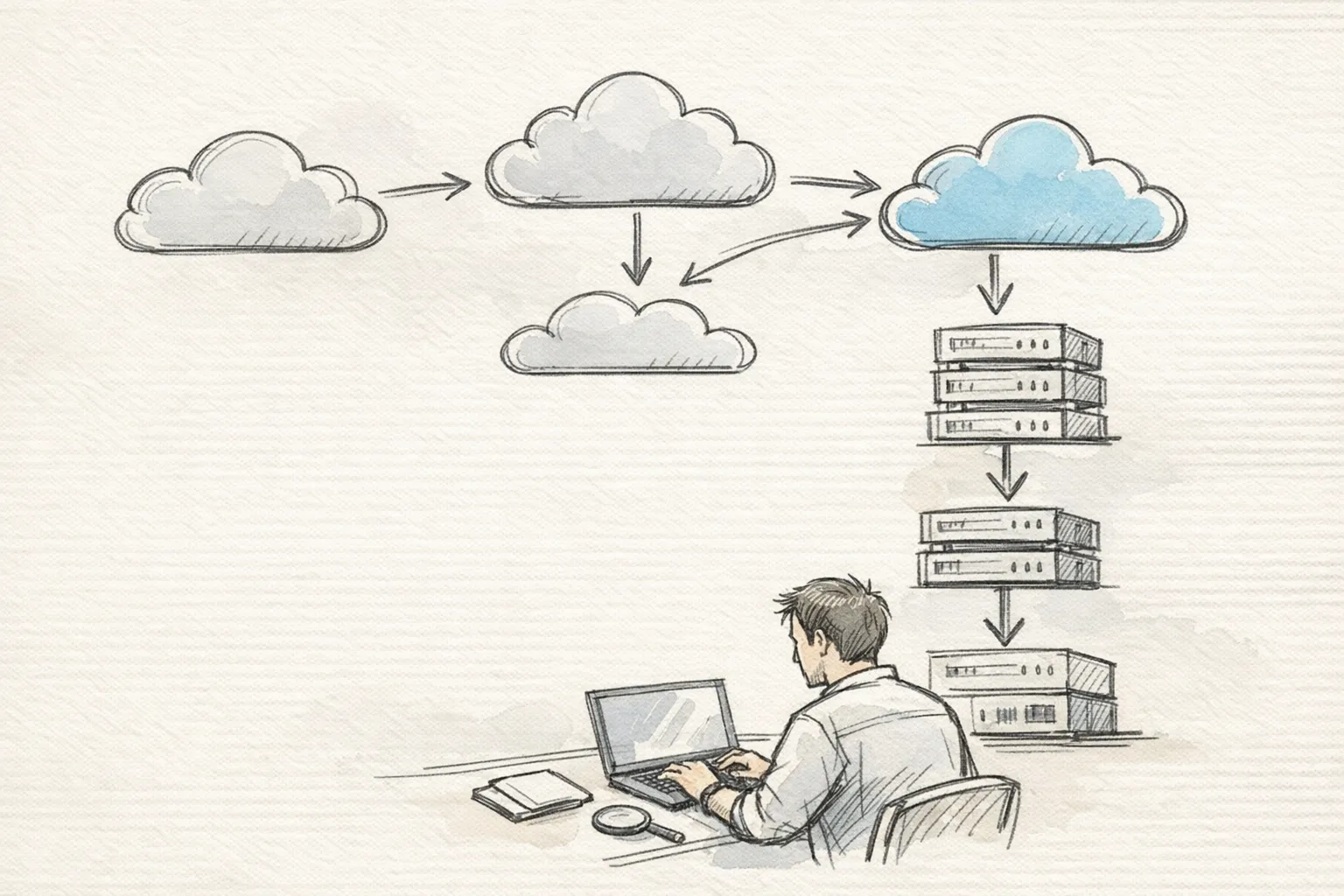
Results Forward: Auditable Data Pipelines Outcomes
Following the implementation Capital AI moved from scattered documentation to a cohesive auditable framework that traces data from sources through transformations to dashboards and model outputs. The integrated approach delivered end to end visibility across a multi cloud landscape while preserving privacy and minimizing exposure of sensitive information. Stakeholders gained a clear understanding of data origin and processing steps enabling reproducible analytics and faster, more defensible audits. The outcome is not merely compliance but a foundation for more trustworthy decision making and responsible AI practices.
A centralized metadata catalog combined with automatic lineage and provenance signals created a single source of truth. This shift improved collaboration between engineering and governance teams reduced duplication and enabled continuous data quality checks. Teams could surface and validate signals in real time supporting proactive remediation and timely governance reviews. The new workflow also streamlined audit preparation by providing ready to surface evidence and clear ownership across assets.
Proof of progress emerged through governance reviews and regulatory readiness artifacts documented during the rollout, complemented by qualitative stakeholder feedback on usability and trust. Although precise metrics are not disclosed here the qualitative indicators point to faster traceability clearer accountability and a steadier cadence for expanding lineage and provenance coverage across the stack.
| Area | Before | After | How it was evidenced |
|---|---|---|---|
| Governance clarity | Fragmented governance lacking clear ownership | Clear ownership and formal governance processes | Stakeholder signoffs and governance baselines established |
| End to end lineage coverage | Siloed lineage signals across multiple tools | End to end signals across pipelines | Central catalog populated with integrated lineage data |
| Provenance records | Incomplete provenance across assets | Provenance logs for critical datasets | Provenance records created for prioritized datasets with origin and timestamps |
| Metadata catalog health | Catalog missing or stale | Central catalog with ongoing monitoring | Monitoring dashboards showing signal quality and drift alerts |
| Audit readiness | Audits manual and slow | Audits supported by ready evidence | Regulatory and internal audit artifacts produced with minimal ad hoc work |
| Data privacy controls | Lineage signals exposed or not governed | Access controlled lineage data with policy enforcement | Access controls and governance policies attached to signals |
| Automation and scalability | Manual governance tasks and limited coverage | Automated signal capture and scalable coverage | Automation patterns demonstrated through expanded asset coverage |
Lessons for Reproducible Governance: turning auditable pipelines into a repeatable playbook
Capital AI’s journey demonstrates how integrating data lineage and provenance within a centralized governance layer transforms operation across a multi cloud landscape. Treating both signals as strategic assets enabled a shift from scattered documentation to a unified view that reveals data origin transformations and ownership end to end. The result is a framework that supports reproducible analytics and auditable decision making while preserving privacy and reducing audit friction.
Key insights include the value of open standards to enable cross tool interoperability the necessity of a phased rollout to manage risk and the role of a centralized catalog as the backbone of governance. Engaging data owners early and codifying clear ownership reduces friction and accelerates adoption. Automation for signal capture paired with governance checks helps maintain signal quality at scale.
Beyond compliance the approach strengthens trust in analytics and supports responsible AI by tying model outputs back to the original data and its handling history. The lessons are transferable to other sectors facing regulatory scrutiny and complex multi cloud environments.
If you want to replicate this, use this checklist:
- Define governance goals and ownership early by mapping stakeholders across teams
- Inventory data assets and pipelines to identify critical paths where lineage matters most
- Adopt open metadata standards to enable interoperability across tools and clouds
- Establish a centralized metadata catalog to unify lineage and provenance signals
- Implement automatic lineage capture at ingestion transformation and load stages
- Implement provenance logging for prioritized datasets including origin owners and timestamps
- Integrate governance with continuous monitoring to surface gaps and signal drift
- Define consistent naming conventions tagging and taxonomy for signals
- Engage data owners and compliance teams early to align expectations and responsibilities
- Roll out in phased waves focusing on high impact assets before scaling
- Validate signals with audit scenarios and regulator readiness artifacts
- Balance privacy controls with the need for traceability and enforce access policies
- Coordinate lineage with model governance to link data lineage to models and outputs
- Establish ongoing governance rituals including reviews updates and training
- Plan for scalability and monitor performance overhead of signal capture
- Document lessons learned and create templates to reuse in future deployments
- Develop risk and exception management processes for legacy systems and non instrumented sources
Practical clarity: guiding principles for auditable pipelines
Capital AI’s journey demonstrates how integrating data lineage and provenance within a centralized governance layer transforms operation across a multi cloud landscape. Treating both signals as strategic assets enabled a shift from scattered documentation to a unified view that reveals data origin transformations and ownership end to end. The result is a framework that supports reproducible analytics and auditable decision making while preserving privacy and reducing audit friction.
Key insights include the value of open standards to enable cross tool interoperability the necessity of a phased rollout to manage risk and the role of a centralized catalog as the backbone of governance. Engaging data owners early and codifying clear ownership reduces friction and accelerates adoption. Automation for signal capture paired with governance checks helps maintain signal quality at scale.
Beyond compliance the approach strengthens trust in analytics and supports responsible AI by tying model outputs back to the original data and its handling history. The lessons are transferable to other sectors facing regulatory scrutiny and complex multi cloud environments.
What is data lineage and what is data provenance and why are they needed for auditable pipelines?
Data lineage tracks the path data takes through systems including the sources transformations and destinations, while data provenance records origin and authorship along with the conditions under which data was created or modified. In Capital AI the distinction mattered because auditors needed both the flow of data and the trust signals around its origin to support defensible analytics and model governance. By combining these signals in a centralized governance layer, the organization could demonstrate end to end traceability from source to dashboard without exposing sensitive information, enabling reproducible analytics and faster audits.
How did Capital AI approach signals for auditable pipelines?
Capital AI's approach prioritized signals that can be automated and surfaced in a centralized catalog. They began with defining governance goals mapping stakeholders across engineering compliance and product teams to ensure everyone spoke the same language. Open metadata standards were chosen to enable interoperability across clouds and tools, reducing vendor lock in. Automatic lineage capture across ingestion transformation and load steps established end to end visibility, while provenance logging for critical datasets provided auditable origin records. This combination delivered immediate value in audit readiness and data trust.
What signals or artifacts were captured to support auditable pipelines?
Signals captured include end to end data movement transformation details authorship timestamps dataset versions access history and governance tags. By recording both the data's journey and its handling context the team could reconstruct how a dashboard value was produced and verify that appropriate controls were applied. Provenance records included origin data sources creation conditions and responsible owners while lineage signals showed dependencies across upstream and downstream assets. The catalog linked these signals to dashboards models and reports, creating a coherent map for audits and governance reviews.
How did the team address multi cloud complexity and interoperability?
Multi cloud complexity was addressed through open standards and a centralized catalog that unifies signals across clouds. Interoperability decisions reduced the risk of signal fragmentation and allowed lineage and provenance to flow into a single graph. Consistent naming conventions tagging and taxonomies were established to normalize signals across tools. The team avoided overengineering at the outset focusing on high impact assets then gradually expanding coverage. Privacy constraints were enforced by restricting access to sensitive lineage data and applying governance policies to protect confidential information.
What governance structure and ownership were established?
Governance structure established clear ownership for data assets with roles in engineering compliance and data stewardship. A governance baseline defined responsibilities for capturing updating and validating signals. Regular governance reviews were scheduled to keep signals current and aligned with policy changes. The playbook included automated checks to surface gaps and drift ensuring signals remained trustworthy. The collaboration between data producers managers and auditors improved through shared artifacts living in the central catalog the living documentation for data flows.
What evidence supported improvements in audit readiness?
Evidence for improved audit readiness came from governance reviews artifacts produced during rollout and stakeholder feedback. Readiness artifacts included end to end signal maps policy references access control settings and provenance records for prioritized datasets. Audits became smoother as regulators could surface pre existing trails while internal teams could trace lineage to the sources and transformations. The combination of signals with an auditable trail shortened the time to assemble evidence and supported timely governance reviews without exposing sensitive data.
What role did open metadata standards play in this initiative?
Open metadata standards played a central role in enabling interoperability across tools and clouds. By aligning with OpenLineage and related frameworks Capital AI avoided brittle tool specific implementations. The standards allowed lineage graphs to integrate signals from diverse systems and supported easier extension as new data sources were added. The catalog used consistent taxonomies and tag references enabling rapid discovery and governance actions. Overall standards reduced integration friction and improved the reliability of end to end traceability across the multi cloud landscape.
What transferable lessons can other organizations adopt from this case?
Other organizations can apply these principles by starting with a clear governance blueprint mapping stakeholders and success metrics. Establish a centralized metadata catalog and adopt open standards to facilitate cross tool interoperability. Prioritize automated signal capture for high impact pipelines and implement phased rollouts to manage risk. Maintain living documentation with ownership and policy references and balance privacy with traceability. Finally tie lineage and provenance to AI governance to strengthen model reliability and regulatory readiness.
Closing reflections on sustaining auditable pipelines
In Capital AI's case the integration of data lineage and provenance under a centralized governance layer established a durable pattern for trust and accountability across a multi cloud data landscape. The work demonstrates how standards and a phased rollout reduce risk while building a repeatable process for audits and model governance.
Key takeaways emphasize that governance is not a one off project but an ongoing discipline. Centralization of signals in a single catalog combined with automated capture and clearly assigned ownership creates a living map of data flows and decisions that teams can rely on during investigations and regulatory reviews.
The journey also shows that openness matters. Adopting open metadata standards supports interoperability across tools and vendors and helps teams scale without collapsing into tool specific silos. Privacy controls remain essential as traceability increases visibility into data movement.
For organizations facing similar regulatory and operational pressures the path is to start small with core assets document ownership and automate signals where they matter most. The aim is steady progress toward end to end traceability that informs decisions and strengthens trust in analytics and AI initiatives.
Next step for readers: begin by mapping governance goals and identifying a high impact asset to pilot automatic lineage and provenance capture then expand signal coverage as confidence grows.