
Data Quality for Capital AI: How Clean Data Feeds Drive Trading Performance guides you through turning noisy feeds into reliable signals that power faster decisions and steadier returns. In this procedural guide, you will map data requirements to trading goals, build a live data layer that unifies market data, signals, and internal feeds, and implement automated validation and lineage checks so every input is auditable and repeatable. The simplest path is to start with clearly defined data contracts, deploy a single source of truth for all primary feeds, automate quality checks at each stage, and establish real-time dashboards that flag anomalies. By following this disciplined sequence, you will reduce data-related risk, improve signal quality, and create a scalable data pipeline that supports production AI across trading desks.
This is for you if:
- Traders and quants who depend on clean data to power AI-driven bets and execution signals.
- Data engineers and architects building, validating, and maintaining data pipelines for production AI.
- Data governance leads, risk managers, and compliance teams ensuring auditable inputs and controls.
- Heads of trading operations, CTOs, or heads of data who want a scalable, governed data fabric.
- Portfolio managers and desk analysts who rely on timely signals and accurate market data.
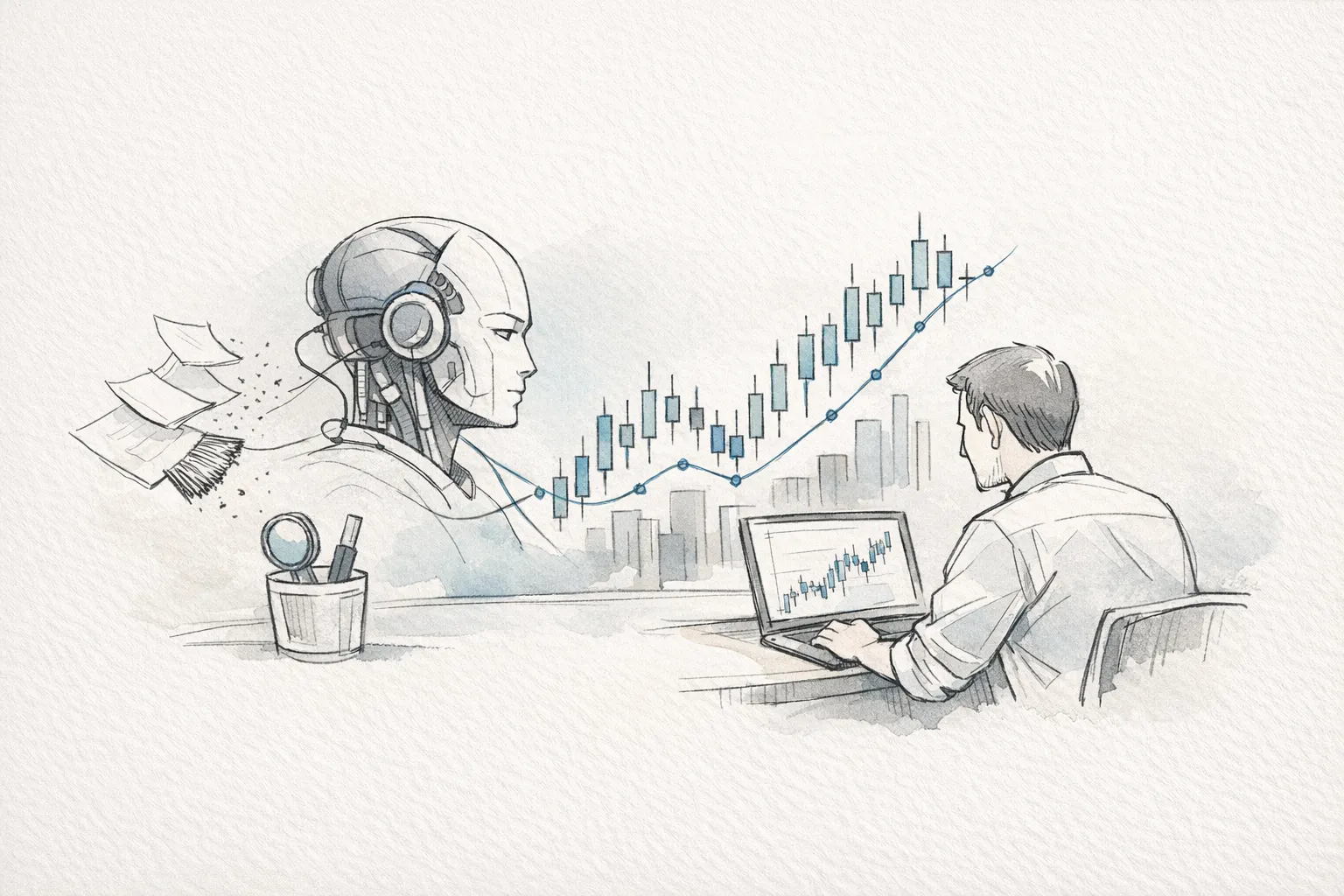
Prerequisites for Data Readiness in Capital AI Trading
Prerequisites ensure that the data powering Capital AI trading is trustworthy, traceable, and timely. Without a clear governance structure, a live data layer, and automated quality checks, AI signals can become noisy or unsafe. Establishing these foundations upfront reduces operating risk, accelerates deployment, and creates auditable decision trails. By aligning stakeholders and formalizing data contracts, you enable production-grade AI that scales across desks while preserving compliance and performance.
Before you start, make sure you have:
- Executive sponsorship and cross-functional governance for data readiness
- A live, structured data layer that unifies market data, signals, and internal feeds
- Standardized data definitions and contracts across desks
- A data catalog and lineage tracking to document data origins and transformations
- Automated data validation, profiling, and remediation capabilities
- Robust data security, privacy, and regulatory compliance controls
- Monitoring dashboards and alerting for data quality and pipeline health
- Backtesting and scenario analysis capabilities with clean data inputs
- A governance framework with defined owners, stewards, and decision rights
- A plan and resources for maintaining data readiness as an ongoing capability
- Access to real-time or near-real-time data feeds aligned to trading cadence
- A mechanism to manage and onboard data sources with clear data contracts
Execute a concrete, results-driven data quality procedure for Capital AI trading
Expect a practical, time-conscious process that guides you from clear objectives to live data feeds. You will define measurable goals, map every data source, and establish a single source of truth that trades can trust. You will implement automated validation and end-to-end lineage, then stage backtests and real-time monitoring before production. The simplest correct path is to create data contracts, build a unified layer, deploy automated pipelines, and maintain auditable governance. By following these steps, you will reduce data-related risk, improve signal quality, and enable scalable AI across trading desks while preserving compliance.
-
Assess goals
Clarify the specific trading performance improvements that clean data can enable. Identify the desks, strategies, and models that will rely on data quality inputs. Document acceptance criteria and governance roles to keep the program auditable.
How to verify: Objectives and acceptance criteria are clearly recorded and approved by stakeholders.
Common fail: Vague outcomes and missing governance lead to scope creep.
-
Inventory data sources
List all data streams feeding signals and market data, including external feeds and internal models. Map how data flows from source to model input and note owners and update frequencies. Highlight potential bottlenecks and dependencies that could impact quality.
How to verify: Complete data-source map with owners and data cadence.
Common fail: Missing sources or unclear ownership create gaps in quality checks.
-
Define contracts and definitions
Publish data contracts and a centralized glossary across desks to standardize terms and formats. Capture data quality thresholds, update cycles, and latency expectations. Ensure owners sign off to prevent drift.
How to verify: Shared glossary and contracts exist with active owners.
Common fail: Inconsistent definitions cause misinterpretation and errors in signals.
-
Build unified data layer
Create a live, structured data layer that serves as the single source of truth for market data, signals, and internal feeds. Connect sources via standardized interfaces and enforce consistent metadata. Enable auditable data lineage from source to model input.
How to verify: A functioning data layer with end-to-end lineage and accessible metadata.
Common fail: Partial integration leads to inaccessible data and broken lineage.
-
Implement pipelines and validation
Design automated pipelines with inline validation checks and alerts for anomalies. Incorporate profiling, cleansing, and schema enforcement at each step. Coordinate with risk and compliance to ensure controls are in place.
How to verify: Pipelines run with automated checks, alerts trigger on failures and are resolved.
Common fail: Validation is skipped or misconfigured, allowing bad data to flow.
-
Validate data quality with tests
Backtest strategies using clean, well-documented data and explicit assumptions. Run repeatable tests to verify signal quality and model inputs before production. Compare outcomes to expectation and adjust as needed.
How to verify: Backtesting results are reproducible and align with documented assumptions.
Common fail: Tests omit critical edge cases or rely on biased samples.
-
Deploy live feeds and dashboards
Roll out real-time or near-real-time data feeds to trading desks and dashboards. Enable alerting on data anomalies and performance metrics. Maintain security controls and access rights for all users.
How to verify: Live feeds deliver within expected cadence, dashboards show current quality metrics.
Common fail: Production feeds drift or dashboards lag behind reality.
-
Govern governance and iterate
Establish a data governance cadence with defined owners, stewards, and decision rights. Regularly review contracts, definitions, and quality metrics. Gather trader and risk feedback to drive continuous improvement.
How to verify: Governance rhythms are documented and followed, metrics improve over time.
Common fail: Governance becomes a one-off, yielding stagnant data quality.
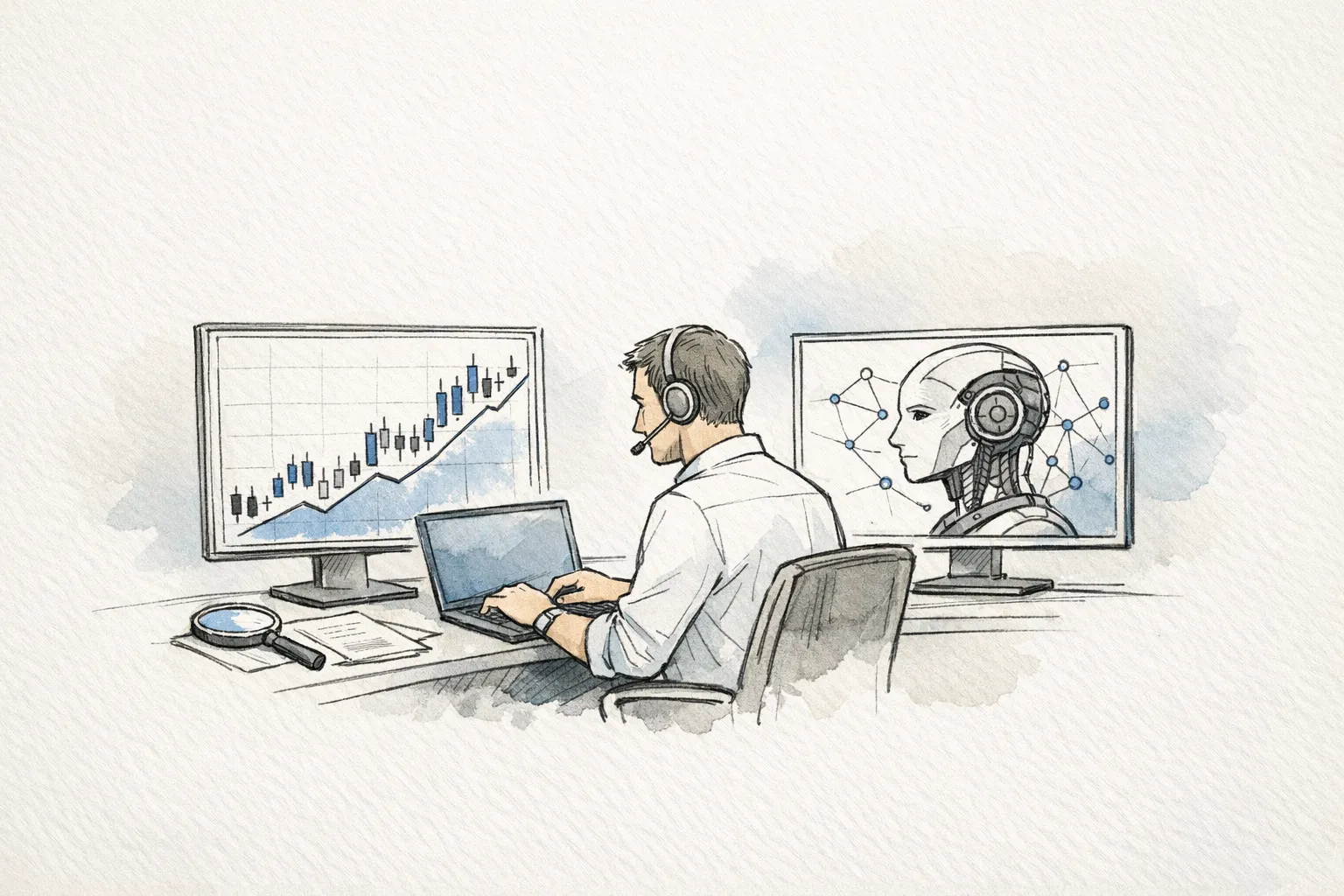
Verification of Data Quality Readiness for Capital AI Trading
To confirm success, verify that every data input is auditable from source to model input, data arrives at the required cadence, and automated checks consistently flag anomalies. Backtests should run on clean data with documented assumptions, and dashboards must reflect real-time pipeline health. Governance ownership needs to exist and changes propagate across desks, ensuring improvements in signal quality translate to more stable production AI and faster issue resolution. Source
- End-to-end data lineage is documented
- Data freshness aligns with trading cadence
- Automated validation checks are active in all pipelines
- Standardized data definitions and contracts exist
- Live dashboards accurately reflect pipeline health
- Backtests use clean data with explicit assumptions
- Governance ownership and decision rights are defined
- Produced signals show measurable improvements in quality
| Checkpoint | What good looks like | How to test | If it fails, try |
|---|---|---|---|
| End-to-end data lineage documented | Lineage from source to model input is captured and auditable | Review lineage diagrams and metadata, verify traceability | Instrument missing lineage and enforce metadata tagging |
| Data freshness aligned with trading cadence | Timestamps reflect current data, minimal lag | Compare sample timestamps to market events, measure latency | Adjust ingestion buffers or add additional data sources |
| Automated validation in pipelines | Validation steps active, alerts configured for anomalies | Inject anomalies, ensure alerts fire and are resolved | Tune validation rules and thresholds, expand coverage |
| Standardized data definitions across desks | Glossary and contracts signed, consistent formats | Audit desk data dictionaries, verify contract adherence | Update definitions, re-sign contracts with stakeholders |
| Auditable data transformations | Transformations recorded in metadata and lineage tools | Pull lineage trace and verify step-by-step data flow | Enable missing transformation logging and revalidate |
| Real-time dashboards reflect health | Dashboards show current metrics and alerts | Simulate anomalies and confirm alerts appear, verify dashboard refresh | Tune dashboards and alert thresholds, adjust data routing |
Troubleshooting Data Quality for Capital AI Trading
When data feeds support AI trading, issues often appear as latency, lineage gaps, or misaligned definitions. Use a disciplined, symptom-driven approach to trace causes, implement targeted fixes, and verify improvements through end-to-end checks and updated backtests. Prioritize fixes that restore auditable data streams, accurate signals, and real-time visibility to keep production AI reliable and compliant.
-
Symptom: Data latency spikes cause signals to arrive late
Why it happens: Ingestion bottlenecks, insufficient buffering, or high network jitter delay data delivery
Fix: Add parallel ingestion paths, increase buffer sizes, and monitor end-to-end latency with real-time dashboards
-
Symptom: Missing or incomplete data lineage
Why it happens: Transformations not captured, metadata logging missing
Fix: Enforce lineage capture at all steps, use metadata tagging
-
Symptom: Inconsistent data definitions across desks
Why it happens: Separate data models, glossary not shared
Fix: Publish data contracts, align glossary, sign-off on definitions
-
Symptom: Automated validation alerts too noisy or too quiet
Why it happens: Thresholds miscalibrated, coverage gaps
Fix: Recalibrate thresholds, expand validation coverage, implement multi-stage alerts
-
Symptom: Backtests diverge from live results
Why it happens: Data quality gaps in historical data vs live data, preprocessing differences
Fix: Ensure identical data slices, standardize preprocessing, run parallel tests
-
Symptom: Real-time dashboards show stale metrics
Why it happens: Dashboard feed lag, caching issues
Fix: Enable streaming updates, reduce cache TTL, verify feed health
-
Symptom: Access control blocks data feeds
Why it happens: Restrictive permissions, excessive security checks causing delays
Fix: Review roles, implement least-privilege access, ensure audit logging
-
Symptom: Data-quality metrics stall without improvement
Why it happens: Limited governance, lack of ownership, stale KPIs
Fix: Assign data owners, refresh KPIs quarterly, run data readiness reviews
Common questions about clean data feeds for Capital AI trading
- Why is data quality critical for Capital AI trading? Data quality matters because AI signals rely on accurate, timely inputs, errors propagate into decisions, increasing risk and reducing performance.
- How do you start improving data quality for Capital AI? Start with executive sponsorship, define data contracts, and build a unified live data layer to serve as a trusted source.
- What metrics should you track for data quality? Track accuracy, timeliness, completeness, consistency, and coverage, monitor end-to-end lineage and calibration against backtests.
- What is a data layer and why is it essential? A data layer is a live, structured repository that unifies market data, signals, and internal feeds, it provides a single source of truth and auditable inputs.
- How can automation help data quality? Use automated validation, profiling, and remediation with alerts, integrate governance to ensure ongoing controls.
- How do you tie data quality to trading outcomes? Use backtesting on clean data, live monitoring, and feedback loops, ensure improvements translate to more stable signals and execution.
- What governance structure is needed? Clear owners and stewards, defined decision rights, data contracts, and auditable trails to meet compliance.
- What are frequent pitfalls to avoid? Data silos, missing lineage, inconsistent definitions, excessive speed at the expense of quality, and poor change management.
Key questions about clean data for Capital AI trading
Why is data quality critical for Capital AI trading?
Data quality is the backbone of Capital AI trading because AI signals depend on clean, timely, and consistent inputs. If inputs are noisy or delayed, models misinterpret conditions, producing incorrect trades or missed opportunities. By ensuring data is accurate, complete, and auditable, you reduce false signals, shorten reaction times, and increase confidence in automated decisions across research, trading, and risk management.
How do you start improving data quality for Capital AI?
Begin with executive sponsorship, define data contracts, and establish a unified live data layer that serves as the trusted source for all feeds. Set up end-to-end lineage and automated checks before production, then stage backtests to validate signal quality. This foundation supports scalable AI adoption across desks with auditable governance.
What metrics should you track for data quality?
Track accuracy, timeliness, completeness, consistency, and coverage, plus data lineage health and backtest reproducibility. Monitor end-to-end data flow and compare live signals against established baselines. Use dashboards to surface anomalies, connect improvements to trading outcomes like signal reliability, latency, and risk controls.
What is a data layer and why is it essential?
A data layer is a live, structured repository that unifies market data, signals, and internal feeds, providing a single source of truth. It enables consistent metadata, standardized interfaces, and auditable transformations from source to model input, reducing integration risk and enabling governance at scale.
How can automation help data quality?
Automation enforces validation at every pipeline stage, profiles data quality, and generates alerts for anomalies. It reduces manual wrangling, enforces consistent data formats, and accelerates detection of issues, supporting faster, more reliable AI-driven decisions.
How do you tie data quality to trading outcomes?
Tie data quality to outcomes through backtesting with clean data, live monitoring, and feedback loops that adjust models when inputs drift. Demonstrating that data improvements translate into more stable signals and tighter execution justifies governance investments and scaling AI across desks.
What governance structure is needed?
Governance requires clear data owners, stewards, and decision rights, with data contracts and auditable trails. Establish a governance forum to review lineage, quality metrics, and change management to sustain data readiness as strategies evolve.
What are frequent pitfalls to avoid?
Frequent pitfalls include data silos, missing lineage, inconsistent definitions, overemphasis on speed over quality, and poor change management. Address them by consolidating data into a unified layer, enforcing contracts, and maintaining ongoing governance and training.