
In this guide you will build a disciplined, research-driven plan to decide which digital assets are worth buying in 2026. Start by identifying a focused framework, such as a blue-chip core and a few strategic bets (for example BTC as the market bellwether, ETH as the DeFi backbone, and a higher-risk AI exposure). Gather current data on price, supply, and regulatory context, verify the credibility of source guidance (e.g., Motley Fool coverage) while acknowledging there are no guarantees. Define your risk tolerance, investment horizon, and diversification goals, then map assets to real-world use cases: store of value, smart contract platforms, and emerging AI/tokenization plays. Propose allocation ranges, outline the execution steps (wallets, exchanges, security), and set a monitoring cadence to rebalance as conditions change. This approach prioritizes evidence, discipline, and scalable decision-making.
This is for you if:
- You want a disciplined, evidence-based plan to choose digital assets for 2026.
- You prefer a focused three-pick framework and a simple execution path.
- You want to avoid hype and rely on credible analyses and data.
- You are comfortable assessing risk, diversification, and monitoring a cadence for rebalancing.
- You have access to secure wallets and reputable exchanges and plan to verify data before acting.
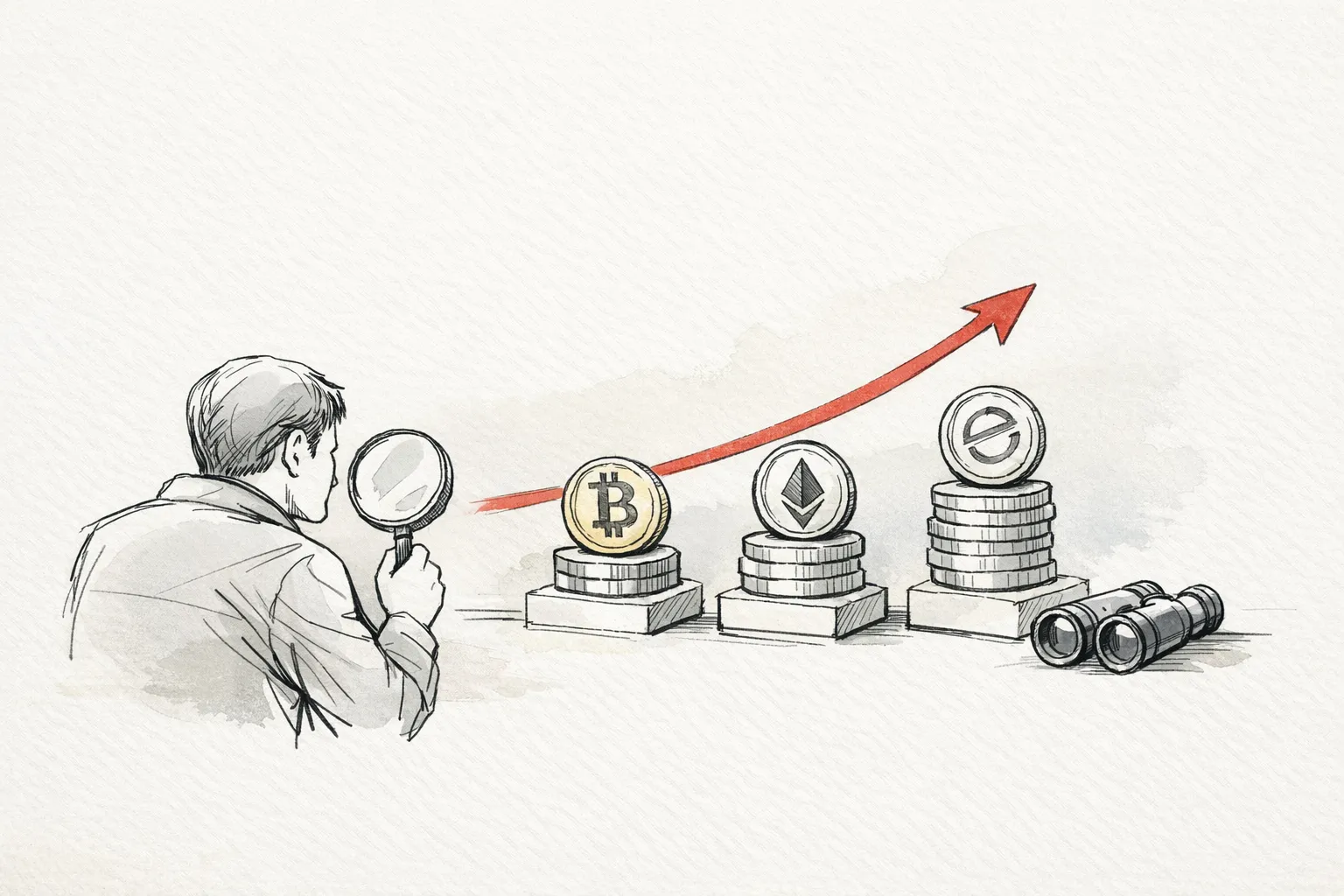
Prerequisites for deciding which digital assets to buy in 2026
Prerequisites matter because a disciplined, data-driven plan reduces guesswork in a volatile market. By clarifying your goals, risk tolerance, and security foundations before acting, you’ll stay aligned with a realistic 2026 path. Establishing credible sources, a simple three-pick framework, and a repeatable execution plan helps you evaluate BTC, ETH, and TAO within a coherent context. With prerequisites in place, you can implement decisions confidently and adjust as conditions change.
Before you start, make sure you have:
- Clear investment goals for 2026 and a defined risk tolerance.
- A secure crypto wallet setup and access to a reputable exchange or broker.
- Foundational understanding of BTC as market bellwether, ETH as DeFi backbone, and TAO as AI exposure with a capped supply.
- A plan that acknowledges there are no guarantees for 2026 and a readiness to adapt.
- A data verification process with trusted sources and a method to refresh data before acting.
- A defined time horizon for 2026 and a cadence for monitoring and rebalancing.
- A simple diversification framework to avoid overconcentration in any one asset.
- Security best practices: hardware wallet, seed phrase protection, and two-factor authentication.
- Tax planning and record-keeping readiness for crypto transactions.
- A short reading list or resources to ground decisions (for example credible analyses).
- For broader context, consult credible analyses such as The 8 Best Cryptos to Buy for 2026.
Execute Your 2026 Asset Plan: Lock in BTC, ETH, TAO
This procedure guides you to decide which digital assets are worth buying in 2026 with a disciplined, data-driven approach. You will confirm a focused three-pick framework, extract the rationale for each asset, and map concrete steps for execution and ongoing monitoring. Expect clear decisions you can act on without chasing hype, backed by credible context and a defined risk posture. By documenting roles for BTC, ETH, and TAO and establishing a practical plan, you’ll be prepared to enter 2026 with confidence and a scalable process.
-
Confirm three-pick framework
Identify BTC, ETH, and TAO as the core three-pick framework for 2026. Note how BTC acts as market leader, ETH anchors DeFi, and TAO adds AI exposure. Document why this trio balances risk and upside within the target portfolio.
How to verify: Confirm these three assets are the focal picks and align with your goals.
Common fail: Overlooking the three-pick framing or mixing in other coins.
-
Read rationale for each asset
Review the rationale for each asset’s role and how it aligns with your goals. Capture the defined use cases and narrative for BTC, ETH, and TAO. Document any data points that support the narrative.
How to verify: Cross-check your notes with the core rationale.
Common fail: Relying on hype without grounding in use cases.
-
Acknowledge no guarantees
Acknowledge there are no guarantees for 2026. Note the different risk profiles among the three assets and how they affect your plan. Document your personal risk tolerance and time horizon.
How to verify: Ensure you explicitly record risk considerations.
Common fail: Underestimating risk due to optimistic framing.
-
Check positions
Review the source’s stated positions on BTC, ETH, and TAO. Assess whether endorsements translate into a process you’ll follow. Document any internal alignment with the three-pick framework.
How to verify: Confirm internal alignment with the three-pick framework.
Common fail: Treating endorsements as guaranteed returns.
-
Consider trends for ETH
Identify trends affecting ETH’s outlook, such as DeFi growth and asset tokenization. Note how these trends influence your asset selection. Match trends to your risk/return expectations.
How to verify: Ensure trends are grounded in fundamentals relevant to ETH.
Common fail: Applying trends without evaluating project fundamentals.
-
Assess risk and allocate
Assess your risk tolerance and intervention thresholds. Set initial allocation targets among BTC, ETH, TAO based on your plan. Document any diversification bounds and rebalancing rules.
How to verify: Ensure the plan includes explicit allocation ranges.
Common fail: Over-concentration or vague allocations.
-
Build plan and execute
Create a practical execution plan with chosen wallets and exchanges. Set up security measures and initial positions. Execute purchases according to the allocation plan.
How to verify: Confirm holdings appear in your tracked portfolio.
Common fail: Skipping security steps or using insecure channels.
-
Establish monitoring cadence
Define a regular review schedule to monitor market changes. Set clear rebalancing triggers and data refresh cadence. Document roles and responsibilities for ongoing management.
How to verify: Ensure the monitoring plan exists and is scheduled.
Common fail: Ignoring significant market shifts or failing to rebalance.
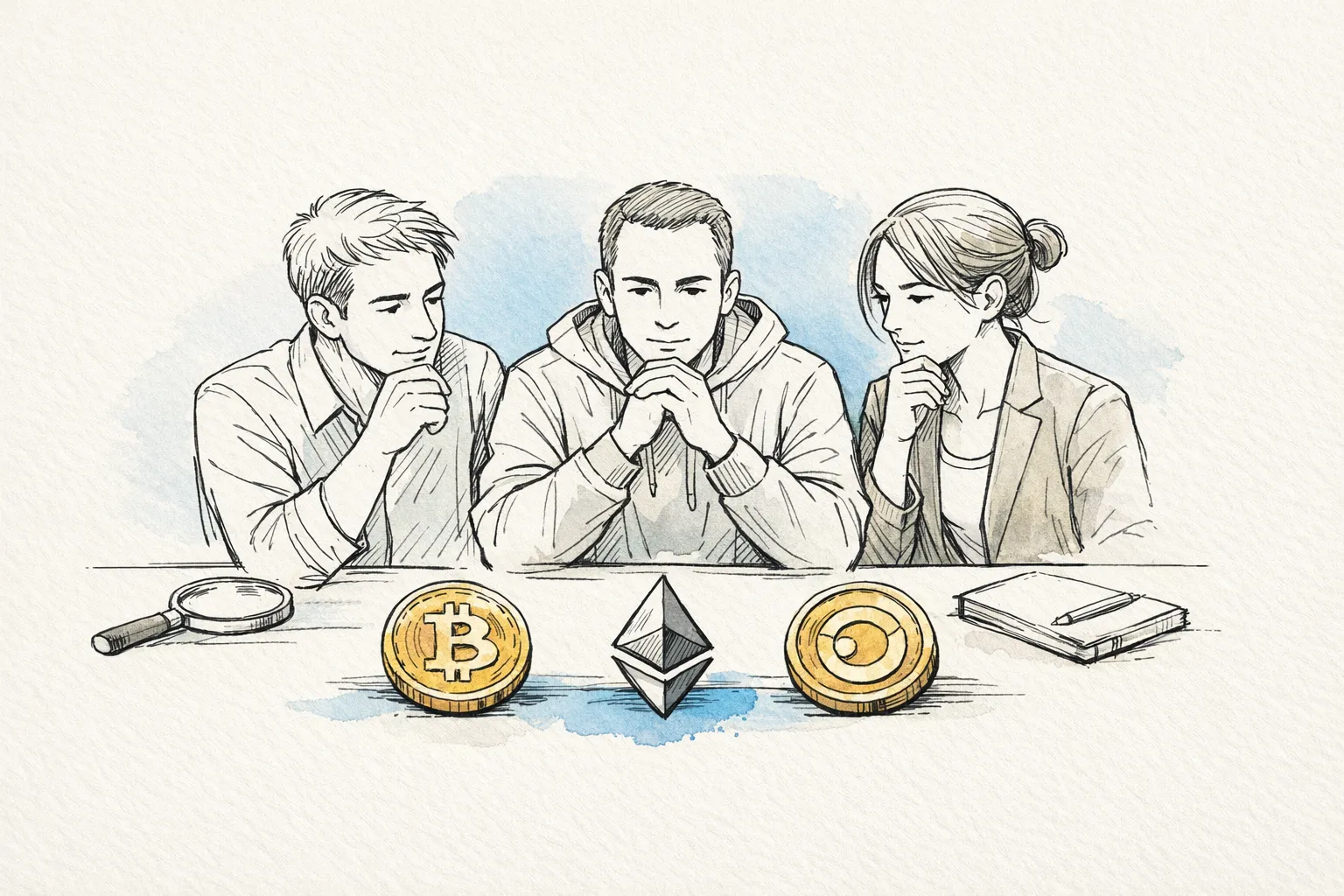
Verification: Confirm Your 2026 Asset Plan Is Sound
Verification confirms your 2026 asset plan is executable, measurable, and resilient. It ensures BTC, ETH, and TAO remain the core picks, the rationale for each asset is explicitly documented, and you’ve acknowledged there are no guarantees. You should have a defined risk tolerance, allocation targets, and a monitoring cadence, plus a secure execution plan. Data sources must be current and credible, reviewed on a regular schedule. For context, see The 8 Best Cryptos to Buy for 2026. Source
- Three-pick framework confirmed
- Asset rationales documented
- No guarantees acknowledged
- Risk tolerance and allocation plan defined
- Data sources refreshed recently
- Execution plan with wallets/exchanges in place
- Security measures implemented
- Monitoring cadence scheduled
- Compliance and regulatory considerations reviewed
| Checkpoint | What good looks like | How to test | If it fails, try |
|---|---|---|---|
| Three-pick framework confirmed | BTC, ETH, TAO are core picks documented | Review notes, confirm alignment with three-pick framing | Revisit asset framing |
| Rationale documented | Asset rationales captured and linked to use cases | Cross-check with core rationale | Add missing rationale |
| No guarantees acknowledged | No guarantees statement present, risk addressed | Scan for disclaimers | Add risk disclaimer |
| Data sources current | Latest data used, credible sources cited | Check date stamps | Refresh data |
| Execution plan in place | Wallets/exchanges selected, security steps described | Verify holdings are tracked | Implement security steps |
| Monitoring cadence defined | Schedule for reviews and rebalancing set | Confirm calendar and triggers | Set schedule |
Troubleshooting: Fixing Common Issues in a 2026 Asset Plan
This trouble-shooting guide helps you quickly identify and fix practical problems that can derail a disciplined, data-driven asset plan for 2026. By addressing data quality, framework alignment, risk understanding, security, and execution gaps, you can keep BTC, ETH, and TAO at the core while adapting to new information and market shifts.
-
Symptom: Data is outdated or inconsistent with the plan
Why it happens: Market data changes rapidly and sources aren’t refreshed regularly.
Fix: Refresh price, market cap, and supply data from credible sources, set a regular data refresh cadence and cross-check with at least two sources.
-
Symptom: Three-pick framework misinterpreted, asset roles are unclear
Why it happens: Narrative drift or misunderstanding TAO’s AI exposure and supply cap.
Fix: Revisit asset rationales, write a one-sentence role for BTC, ETH, and TAO, verify alignment with the framework.
-
Symptom: TAO risk or AI exposure overestimated
Why it happens: Hype around AI coins and limited historical data.
Fix: Reassess TAO’s supply cap and 2025 performance, compare risk metrics and adjust allocation if needed.
-
Symptom: No guarantees disclaimer omitted or ignored
Why it happens: Optimistic framing or oversight during planning.
Fix: Ensure a clear no-guarantees disclaimer is included and risk factors are explicitly stated.
-
Symptom: Inadequate security practices for wallets/keys
Why it happens: Convenience and lack of secure key management.
Fix: Use a hardware wallet, enable two-factor authentication, and store seed phrases offline, review access controls regularly.
-
Symptom: Execution plan is missing or uses insecure channels
Why it happens: Planning gaps or rushed setup.
Fix: Choose reputable exchanges, document the purchase process, and test transfers with small amounts before larger trades.
-
Symptom: Regulatory or ETF/tokenization context overlooked
Why it happens: Focus on asset picks without policy context.
Fix: Add a brief regulatory watch, summarize key considerations for ETFs/ETPs and tokenized assets relevant to 2026.
-
Symptom: Monitoring cadence is not followed
Why it happens: Busy schedules or unclear triggers.
Fix: Schedule fixed review dates, set automated alerts, and define explicit rebalance triggers based on objective metrics.
What readers ask next about 2026 asset picks
- What assets are recommended for 2026? BTC, ETH, and TAO are highlighted as a core three-pick framework, balancing market leadership, DeFi strength, and AI exposure, the plan emphasizes risk and no guarantees.
- Why use a three-pick framework instead of many coins? It focuses decision-making, improves manageability, and aligns with credible coverage while reducing hype-driven bets.
- What is TAO and why is its supply capped? TAO is an AI-focused asset with a capped supply of 21 million, intended to introduce scarcity similar to Bitcoin and support long-term value.
- How should I handle risk and allocation for 2026? Define your risk tolerance, set allocation targets among BTC, ETH, and TAO, and establish rebalancing triggers to avoid overexposure.
- Should I consider other assets beyond BTC, ETH, TAO? The guide centers on a three-pick framework, but diversification beyond the trio can be explored with independent research if you want broader exposure.
- How do trends like stablecoins and asset tokenization affect ETH? These trends can bolster ETH’s DeFi role and real-world asset use, but they do not guarantee profits and require careful assessment.
- How important is regulatory context for 2026 investing? Regulatory developments around ETFs, stablecoins, and tokenized assets can influence risk and access, stay informed on policy shifts.
- What should I do this quarter to start? Clarify goals, complete a risk assessment, set up a secure wallet and exchange, and draft a plan for data updates and ongoing monitoring.
What readers ask next about 2026 asset picks
What assets are recommended for 2026?
The recommended core is a three-pick framework: BTC as market bellwether, ETH as DeFi backbone, and TAO as AI exposure with a capped supply. There are no guarantees for 2026, decisions should reflect your risk tolerance, diversification needs, and credible guidance.
Why use a three-pick framework instead of many coins?
A three-pick framework focuses decision-making, improves manageability, and aligns with credible coverage while reducing hype-driven bets. It helps avoid overtrading and keeps the plan simple to monitor.
What is TAO and why is its supply capped?
TAO is an AI-focused asset designed to offer exposure to AI on-chain themes, with a maximum supply of 21 million, mirroring Bitcoin’s scarcity to support long-term value. The capped supply creates a scarcity signal but adds risk and uncertainty around demand drivers in 2026.
How should I handle risk and allocation for 2026?
Define your risk tolerance, set allocation targets among BTC, ETH, and TAO, and establish rules for rebalancing to prevent overexposure. Incorporate no-guarantees disclaimers and ongoing monitoring to adapt to market changes.
Should I consider other assets beyond BTC, ETH, TAO?
The guide centers on the three-pick framework, but exploring diversification beyond the trio can be prudent if you conduct independent research and accept additional risk. Consider your goals and time horizon before expanding.
How do trends like stablecoins and asset tokenization affect ETH?
Stablecoins and asset tokenization contexts can bolster ETH’s DeFi role and real-world asset use, but they do not guarantee profits and require careful assessment. Stay aware of regulatory developments that might affect these trends.
How important is regulatory context for 2026 investing?
Regulatory dynamics around ETFs, stablecoins, and tokenized assets can influence risk and access, staying informed on policy shifts helps you adjust exposure appropriately. Build a plan that remains flexible to changing rules.
What should I do this quarter to start?
Clarify goals, complete a risk assessment, set up a secure wallet and exchange, and draft a plan for data updates and ongoing monitoring. Begin by documenting your three-pick framework and immediate next steps.